
A COMMITMENT TO CLARITY & SUPPORT THROUGHOUT YOUR PROBATE PROCESS
Opening an Estate in Pennsylvania
What Executors Need to Know to Begin the Probate Process Correctly
Opening an estate is the first official step in the Pennsylvania probate process. Before an executor can act on behalf of the estate, they must file the correct documents with the Register of Wills. This guide explains exactly how to begin probate, what to bring, and how to avoid delays.
Trusted by families across Pennsylvania
Clear, step-by-step guidance
Support at every stage of probate
Service Name in City, State

“Fast, reliable service for homeowners in Las Vegas.”
This is a Paragraph Font
Bullet List 1
Bullet List 1
Bullet List 1
Bullet List 1
Bullet List 1
Understanding How to Open an Estate in Pennsylvania
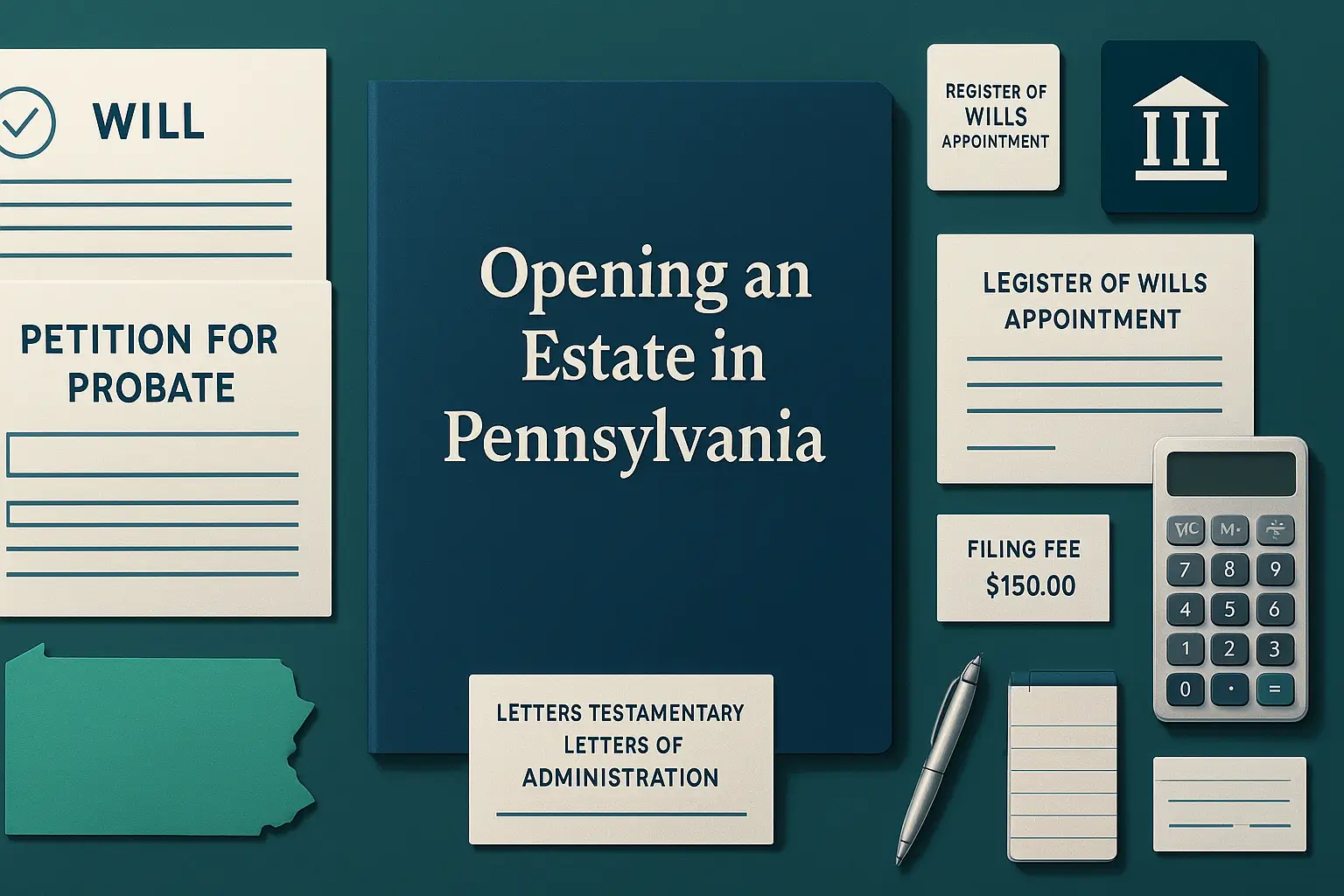
Opening an estate means officially starting the probate process by filing core documents with the Register of Wills in the county where the decedent lived. Without opening the estate, the executor has no legal authority to act, collect assets, pay debts, or access accounts. This step is mandatory before probate can move forward.
Key elements:
Verifying a valid will (if one exists)
Filing the petition for probate
Attending the Register of Wills appointment
Receiving Letters Testamentary or Letters of Administration
Paying initial filing fees
H2 Heading (Section Title)
Use this to explain what the service is about in 2–4 sentences.
- Bullet List 1
- Bullet List 2
- Bullet List 3
- Bullet List 4
- Bullet List 5
Why This Matters
This is a Paragraph Font
Common Challenges When Opening an Estate
Missing required documents (death certificate, will, ID)
Confusion about which county to file in
Mistakes on the petition for probate
Delays when the will is unsigned, unclear, or contested
Difficulty understanding what the Register of Wills requires
Trouble securing early access to property or financial accounts
Nervousness about attending the appointment alone
Why This Matters
Delays or errors during this initial step can stall the entire probate process. Incomplete paperwork, incorrect filings, or missing documents may require repeat appointments or legal intervention. Opening the estate correctly ensures the executor can act immediately and prevents avoidable setbacks.

The Challenges You’re Facing
This is a Paragraph Font
Bullet List 1
Bullet List 2
Bullet List 3
Bullet List 4
Bullet List 5
Why This Matters
This is a Paragraph Font
How to Open an Estate in Pennsylvania (Step-by-Step)
Step 1:
Gather the Required Documents
You will need the original will, a certified death certificate, your ID, and any supporting estate records.
Step 2:
Determine the Correct County to File In
You must file in the Register of Wills office in the county where the decedent was domiciled.
Step 3:
Complete the Petition for Probate
The petition establishes your authority and outlines basic information about the estate.
Step 4:
Attend the Register of Wills Appointment
During the appointment, the will is reviewed, oaths are administered, and fees are paid.
Step 5:
Receive Letters Testamentary or Letters of Administration
These documents authorize you to collect assets, pay debts, and manage the estate.
Step 6:
Begin Securing Estate Assets
Once the estate is opened, you may legally begin protecting and managing estate property.
How PA Probate Help Assists With Opening an Estate
We help executors begin probate confidently and avoid mistakes during the earliest and most important step of the process.
Benefits:
Guidance on required documents and filing procedures
Help preparing the petition for probate
Support understanding county-specific requirements
Assistance navigating the Register of Wills appointment
Step-by-step direction to prevent delays and confusion
Clear explanations of what to expect after the estate is opened
Want Personalized Guidance for Your Situation?
Finalizing probate requires careful documentation and approvals. Support can help ensure the estate closes properly and completely.
Explore Related Probate Topics
These detailed guides explain the most important steps within the Pennsylvania probate process. Each resource provides a deeper look at specific requirements, documents, and procedures that every executor should understand.
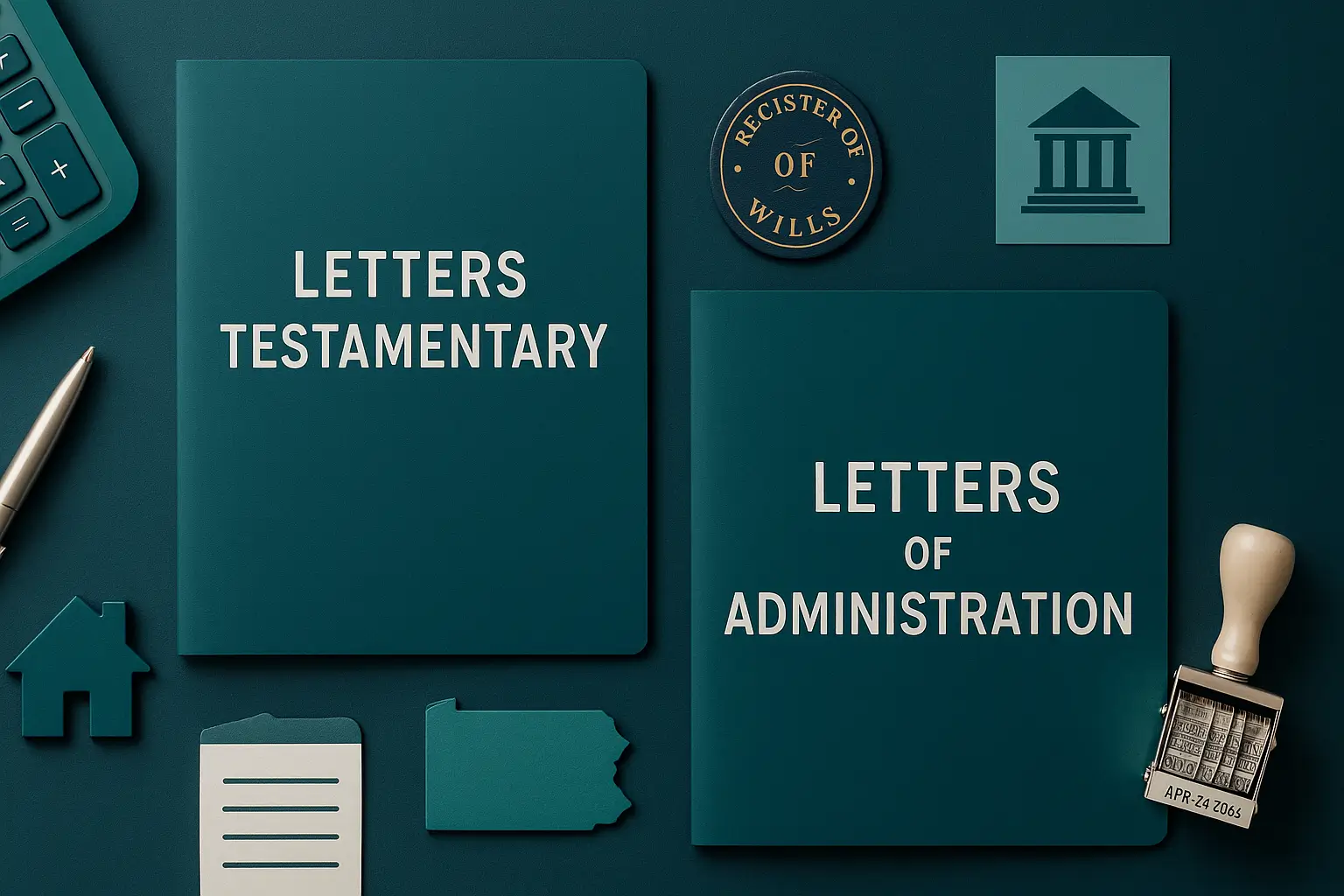
Letters Testamentary &
Letters of Administration
Understand the legal authority these documents provide and why they are required before the executor can act.
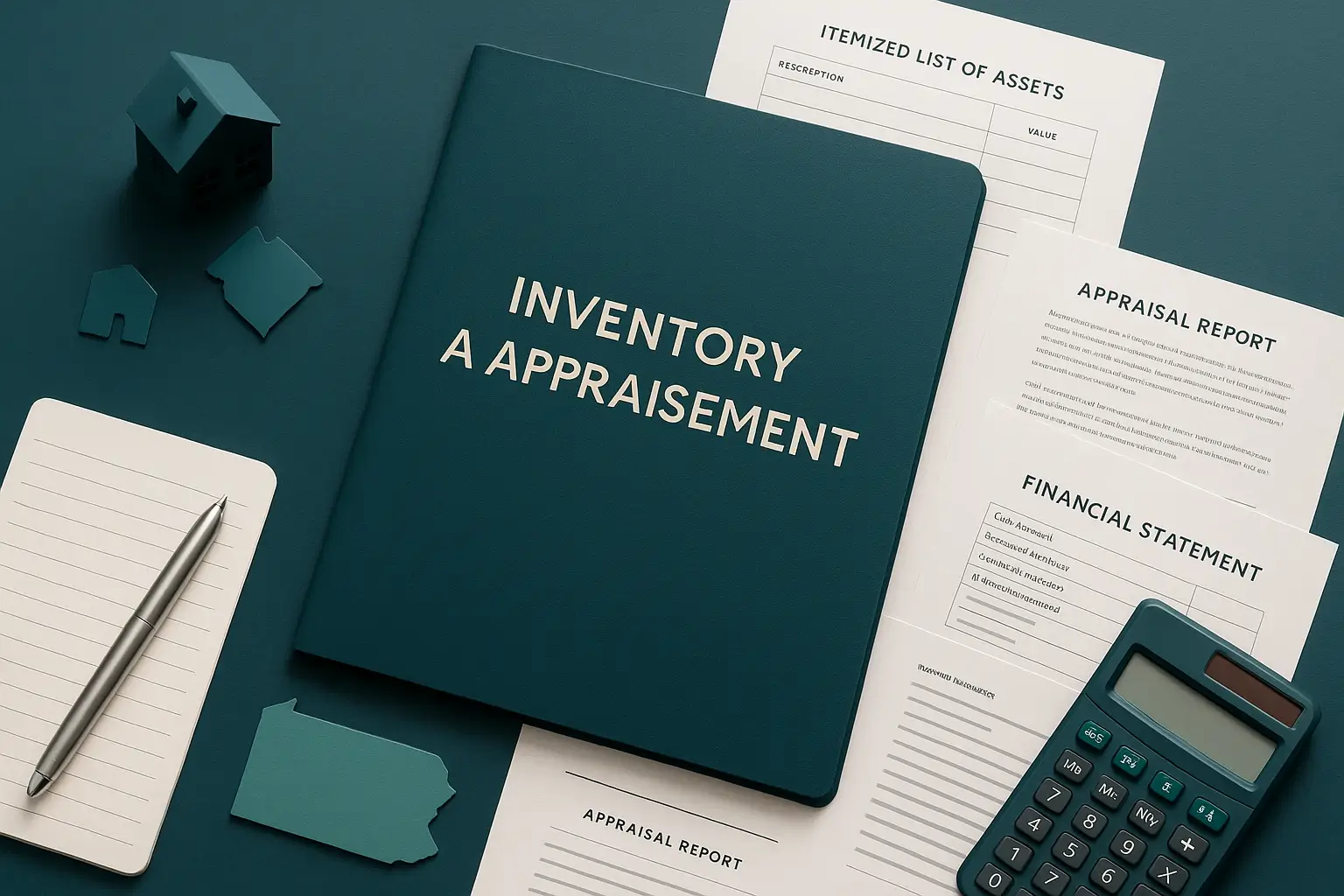
Inventory & Appraisement Process
Understand how to properly document and value estate assets according to Pennsylvania probate rules.
Learn more:

Closing an Estate in Pennsylvania
See what’s required to finalize the estate, submit the accounting, and complete probate.
Learn more:
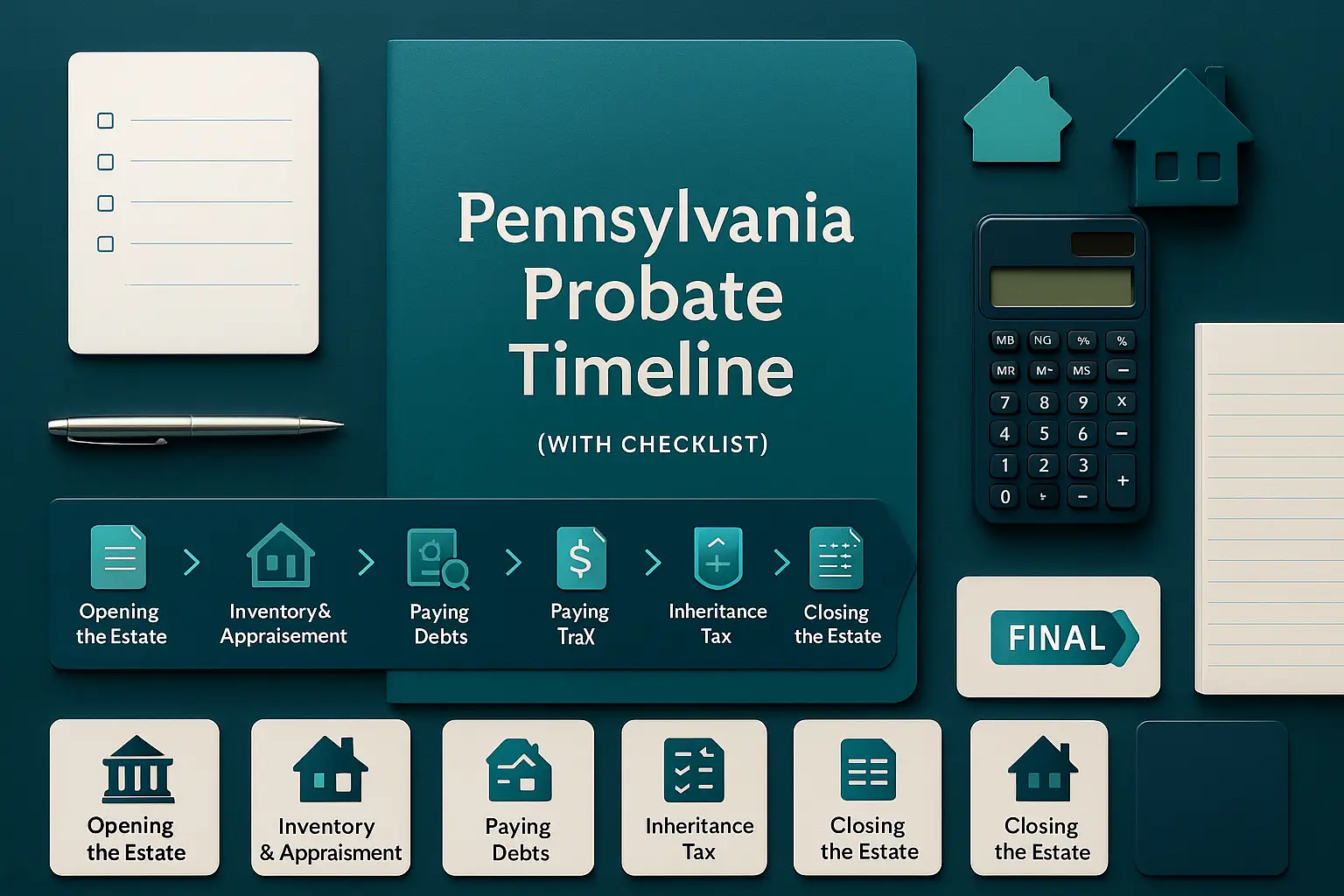
Pennsylvania Probate Timeline
(With Checklist)
A step-by-step overview of how long probate takes and what happens at each stage.
Learn more:
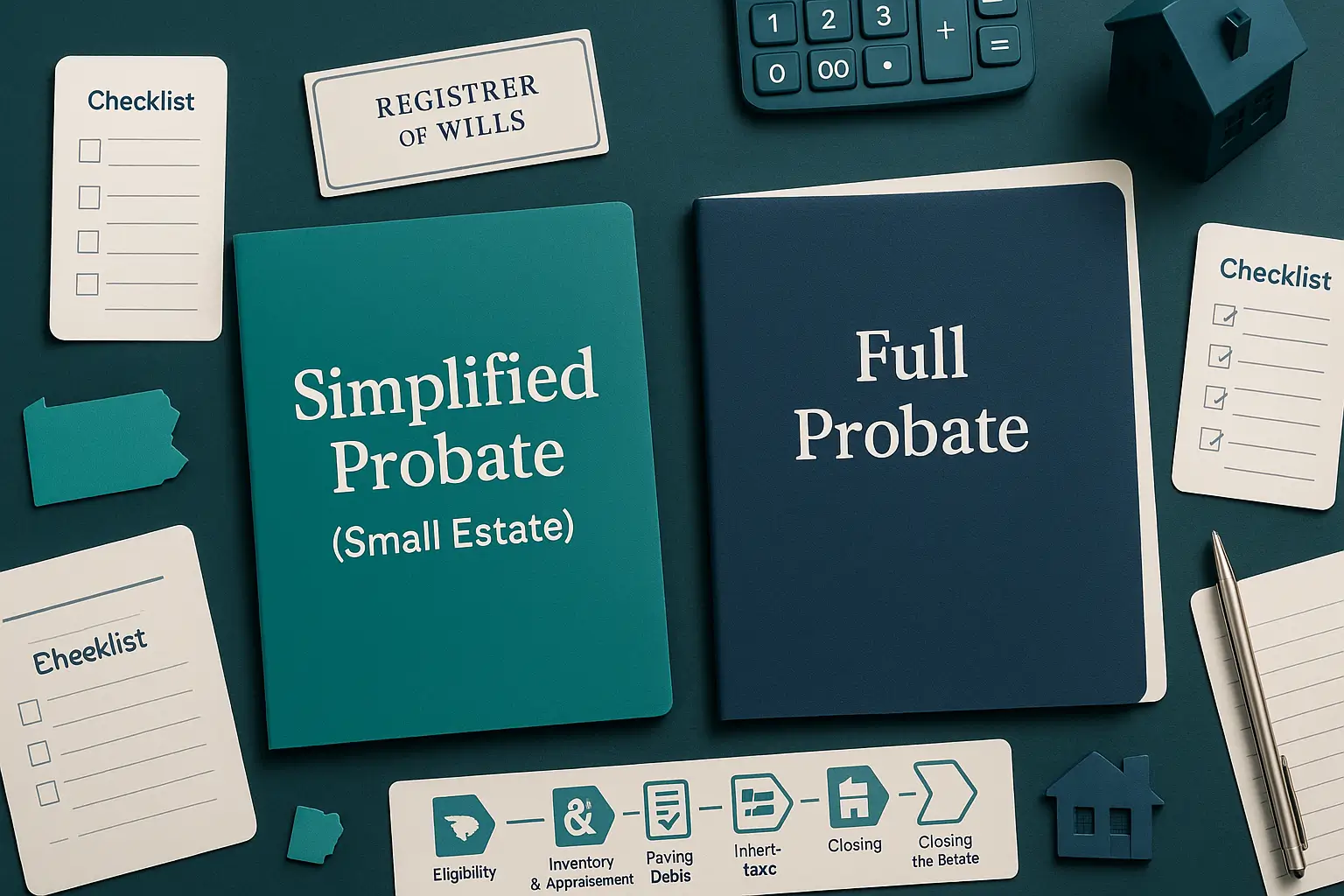
Simplified Probate vs Full Probate
Find out whether an estate qualifies as a Pennsylvania small estate and how the process differs.
Learn more:
Pennsylvania Probate
Process - Main Guide
Return to the complete, step-by-step overview of probate in Pennsylvania.
Learn more →
Frequently Asked Questions
Do I need an attorney to open an estate in Pennsylvania?
Yes. You can open an estate without an attorney, but most executors hire one to avoid delays, mistakes, and legal issues. An attorney ensures filings are completed correctly and helps navigate county-specific probate requirements.
How long does it take to open an estate in PA?
Opening an estate typically takes one appointment with the Register of Wills, usually 20–40 minutes. The timeline depends on county scheduling and whether documents are complete.
What documents do I need to open an estate in Pennsylvania?
You need the original will, a certified death certificate, valid photo ID, and basic estate information. Some counties may request additional forms or supporting documents.
Can probate start before the death certificate is issued?
No. You cannot open an estate until a certified death certificate is available. This document is required by all PA counties before probate can begin.
Where do I file to open an estate in Pennsylvania?
You must file at the Register of Wills in the county where the deceased lived. Filing in the wrong county causes delays and may require refiling.
What happens at the Register of Wills appointment?
The Register of Wills reviews the will, administers your oath, collects filing fees, and issues Letters Testamentary or Administration. This appointment officially authorizes the executor to act.
Why are Letters Testamentary important when opening an estate?
Letters Testamentary give the executor legal authority to access accounts, manage property, and handle estate affairs. Without them, financial institutions and agencies cannot release information or assets.
H2 Heading (Section Title)
This is a Paragraph Font
- Bullet List 1
- Bullet List 2
- Bullet List 3
- Bullet List 4
- Bullet List 5
Why Our Process Works
This is a Paragraph Font
Need Help Opening an Estate in Pennsylvania?
If you’re unsure how to begin or want support through the filing process, our team is here to guide you every step of the way.
Trusted by families across Pennsylvania
Clear guidance, every step
Support for executors and families
Executor & Personal Representative Help
Real Estate, Property & Assets
Selling a Probate Property in Pennsylvania
Probate Real Estate Preparation
Property Issues in Probate
Probate Appraisals & Valuations
Taxes, Costs & Financial Issues
Contested Wills in Pennsylvania
Probate Disputes & Litigation
Questions About Wills
Intestate Estates in PA
Wills, Disputes & Legal Issues
Contested Wills in Pennsylvania
Probate Disputes & Litigation
Questions About Wills
Intestate Estates in PA